|
|
|
*The most prominent and
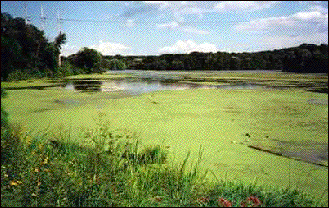
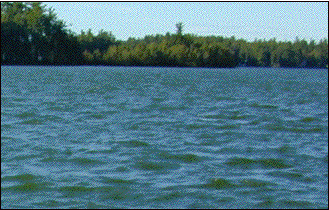
visible water quality issues in Maine lakes come as a result of algal blooms.
|
|
*Blooms often occur as the
result of increased nutrients, specifically phosphorus and may result in: green-colored
and bad-tasting water, reduced transparency,
a build up of scum, and foul odors
|
|
*Repeated algal blooms can
result in fish kills and loss of the coldwater fishery.
|
|
*Water quality has become a
relevant factor in the consideration of lakes by visitors and homeowners, and
produces a significant influence on the economy and population of lake
communities
|
|
*Togus Pond is included on
Maine Department of Environmental Protection�s list of 38 Maine lakes that
commonly bloom; and is one of 13 commonly blooming lakes located in Kennebec
County.
|
|
*Togus Pond is also listed as one of the �most at
risk� lakes in Maine in terms of potential development.
|
|
*Long time residents of the
Togus Pond area have reported that summer algal blooms commonly occurred in
the lake as early as the 1920�s and frequent blooming has continued
throughout the past several decades
|
|
*In response to the frequent
algal blooms experienced by Togus Pond, various remediation techniques have
been attempted since the late 1930�s such as copper sulfate treatments and
hypolimnetic aeration with little long-term success.
|
|
*pictures
|