Togus Pond Septic Systems
�Shoreland
challenges
�Water
table
�Shoreline
erosion
�Winterization
of camps
�Grandfathered
systems
| Any development in an area
without a municipal sewer faces the question of what to do with
wastewater. This includes
everything from the water leaving your toilet to the water in your
dishwasher. Septic systems are the most common option. Waste separates in the septic tank
and then the remaining grey water infiltrates the soil in the leachate, or
drain, field where bacteria from the system and soil process the harmful
waste. |
|
| In a shoreland setting,
homeowners face many challenges, since the input of wastewater that has not
been properly treated increases the phosphorus loading and consequent algal
bloom of the water body. |
|
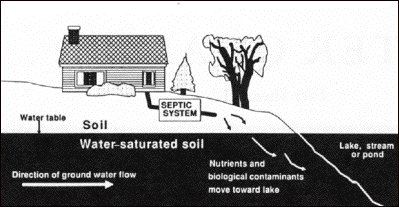
| -This diagram shows a common
concern for shoreline septic systems.
They are often too close to both surface water and the water table and
can potentially contaminate the lake as well as a homeowner�s well with
harmful viruses and bacteria, as unprocessed waste moves into saturated soil
as you can see in this diagram. |
|
| -Shoreline erosion also has
a negative effect by decreasing the setback of a system from the water. |
|
| -The conversion of many
camps in the watershed to permanent homes is also a concern because the
longer period of use increases the amount of waste going through the system,
and decreases the time the bacteria have to work on it. All expansions and winterizations in
the city of Augusta must include expansion of the septic system. |
|
| -The final and most serious
concern is the suspected age of many of the shoreline septic systems around
Togus Pond. Much of the
development occurred before the shoreland zoning act and many houses and
their system are within 100 feet of the shoreline. Augusta only requires systems to be replaced when they are
failing or being expanded. It is
up to the homeowner or neighbors
to report a failing system. |